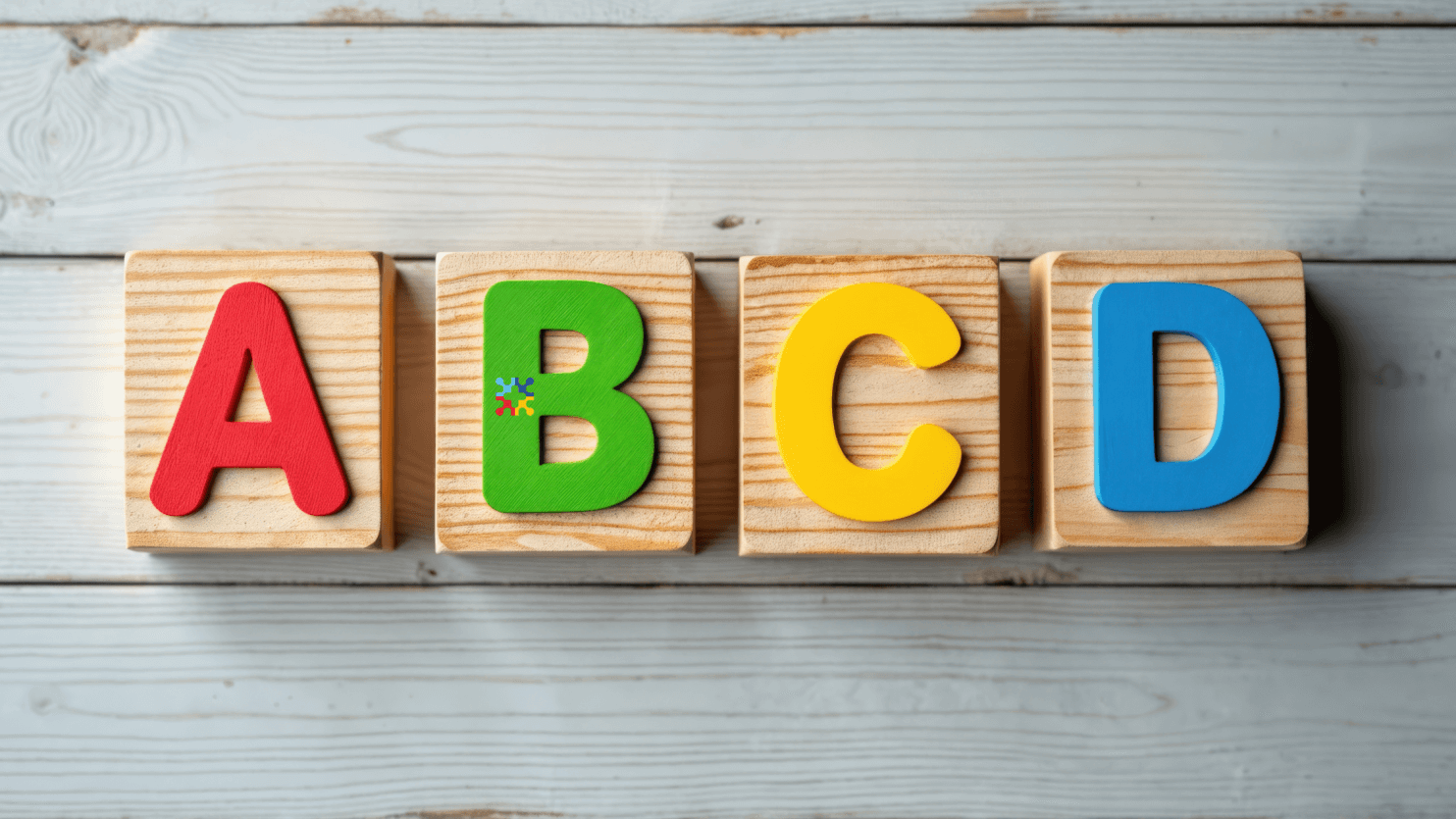
In business, trust isn’t just a warm fuzzy feeling—it’s a measurable, strategic advantage. Whether you’re leading a board, guiding a charity, growing a SaaS company, or coaching a leadership team, trust is the oil that keeps everything running smoothly… or the grit that grinds it to a halt. That’s where the ABCDs of Trust come in—a practical framework developed by Ken Blanchard to help leaders build trust consciously, consistently, and confidently.
In a world where decisions move fast and reputations move faster, understanding how to be Able, Believable, Connected, and Dependable isn’t optional—it’s essential. This article breaks it down in a clear, engaging, and actionable way—so you can strengthen relationships, unlock performance, and lead with more impact and less second-guessing.
Let’s dig into the ABCDs of Trust, as championed by Ken Blanchard in Trust Works! and the Building Trust programme. It’s a powerful framework—simple enough to remember, yet rich enough to guide real-world leadership, coaching, and team growth. Here’s a deep dive into each element, why it matters, and how it can be applied to strengthen leadership, innovation, efficiency, and relationships across your client base.
What are the ABCDs of Trust?
🧭 A – Able (Ability)
What it means
You’re trusted because you’re competent—skilled, knowledgeable, and capable of delivering results. Simply put, you walk the talk and get things done. (The World of Work Project)
Why it matters
Without confidence in your ability, your credibility crumbles. In the boardroom or coaching sector, audiences want to know you’ve ‘been there, done that’ and can guide them through uncertainty with competence.
How to apply it
- Showcase wins: Use case studies or tangible proof of success (e.g., charity turnaround metrics, SaaS growth stats).
- Continuously learn: Stay updated on trends (AI, ESG, governance) and share insights proactively.
- Be transparent: Where you don’t have direct expertise, say so—and bring in trusted partners or advice to cover the gap.
- Invite feedback: Ask clients what works and adjust your approach—showing that ability evolves, not remains fixed.
🔑 B – Believable (Believability)
What it means
Believability is about integrity—you say what you mean, mean what you say, and act in alignment with your values. (Leading with Trust)
Why it matters
Once trust is breached, restoration takes time—because perceptions matter. This is why self-awareness is foundational: integrity begins with knowing yourself and holding yourself accountable. (Ken Blanchard Books)
How to apply it
- Articulate your values: Open conversations with “Here’s what matters to me—and why it matters to you.”
- Honesty is always the best policy: If something goes wrong, own up to it—clients appreciate transparency more than perfection.
- Fair & respectful negotiation: Especially with SMEs and charity boards, ensure fairness is baked in.
- Consistent messaging: Keep tone and promises aligned, whether you’re sending a monthly report or replying on WhatsApp.
💬 C – Connected (Connectedness)
What it means
Connected leaders care—they actively build rapport, listen deeply, and validate feelings. (Toolshero)
Why it matters
People don’t leave bad jobs—they leave feeling unseen. A connected leader brings psychological safety, meaning people can innovate fearlessly. In domestic charities and corporate NGOs, trust fuels generosity and sustained commitment.
How to apply the ABCDs of Trust in the real world:
- Regular check-ins: Use coaching sessions, informal catch-ups, and WhatsApp to show interest in clients’ challenges—or joys. (just like our Accountability Coaching program)
- Celebrate often: A public shout-out after a breakthrough fosters belonging and underscores that you’re invested in their success.
- Share stories: Share your own experiences or lessons—vulnerability fosters mutual trust.
- Pause for empathy: In challenging moments, ask “How is this impacting you?” to validate emotional context.
📅 D – Dependable (Dependability)
What it means
Dependability is about reliability: doing what you say, when you say it, with the consistency clients expect.
Why it matters
Broken promises burn bridges; a culture of let-downs spells mass turnover and low morale. Dependability in governance roles compels high standards of accountability and ethical rigour.
How to apply it
- Manage expectations: Set clear outcomes and realistic timelines.
- Over-communicate delays: If plans shift, inform stakeholders early with context.
- Use tools: Calendars, reminders, dashboards—especially for charity trustees, these reinforce consistency.
- Self-gatekeeping: As Blanchard learned, don’t over-commit—delegate or reprioritise when needed.
🔄 Why It Matters: The Business Case
- High-trust organisations see 50% lower staff turnover, 20% higher performance, and better retention.
- Low trust correlates with emotional withdrawal, alienation, and decline—what Blanchard terms “Low T”.
- Trust becomes a shared vocabulary, allowing teams and boards to call things out without finger-pointing—ideal for NEDs navigating challenging situations.
🛠️ Building Trust: A Strategic Approach
| Stage | Action | Outcome |
|---|---|---|
| 1. Diagnose | Use trust assessment tools to score yourself and get feedback | Shows baseline, reveals blind spots |
| 2. Develop | Sustains the trust cycle | Momentum without overwhelm |
| 3. Implement | Integrate behaviours into current engagements — e.g., start meetings with “Integrity moment,” or “Connected check-in” | Embeds ABCDs in everyday culture |
| 4. Reflect | Review with clients/boards quarterly — celebrate progress, revisit action plans | Sustains trust cycle |
🧩 Analogy: Growing a Trust Garden
Building trust is like cultivating a garden:
- You plant seeds (Able—credentials, competence).
- You water with integrity (Believable).
- You nurture with care and connection (Connected).
- You tend consistently (Dependable).
Over time, a flourishing trust ecosystem supports creativity, innovation, and robust growth. It’s not accidental—it’s intentional, just like investment in leadership development or governance improvement. (Leading with Trust, CMI, BLANCHARD)


The Governance Gap
Why Your Business Needs Oversight Before It Asks For It Most owner-managed businesses cross £1m in revenue operating exactly the way they did at £100k. A single Director making every decision, largely still based on instinct, with no formal challenge. I know because I did it for years, when I ran the family business. For…


Introducing Fractional Pod
Senior expertise for businesses that have outgrown “figure it out yourself” If you’ve worked with me at Bradex Business Solutions, you’ll know the businesses I like working with best. Owner-managed. Growing. Past the point where the founder can do everything themselves, but not yet at the size where five senior hires make financial sense. That…

Podcast Guest Kit
Helping business owners and directors think clearly, lead better, and grow sustainably. 👋 About Carl Carl Bradshaw is a business coach, board adviser, Trustee, Treasurer, Chair and Non-Executive Director who works with SMEs, charities and social enterprises across the UK. With over 30 years’ experience, Carl helps business owners and directors step out of the…